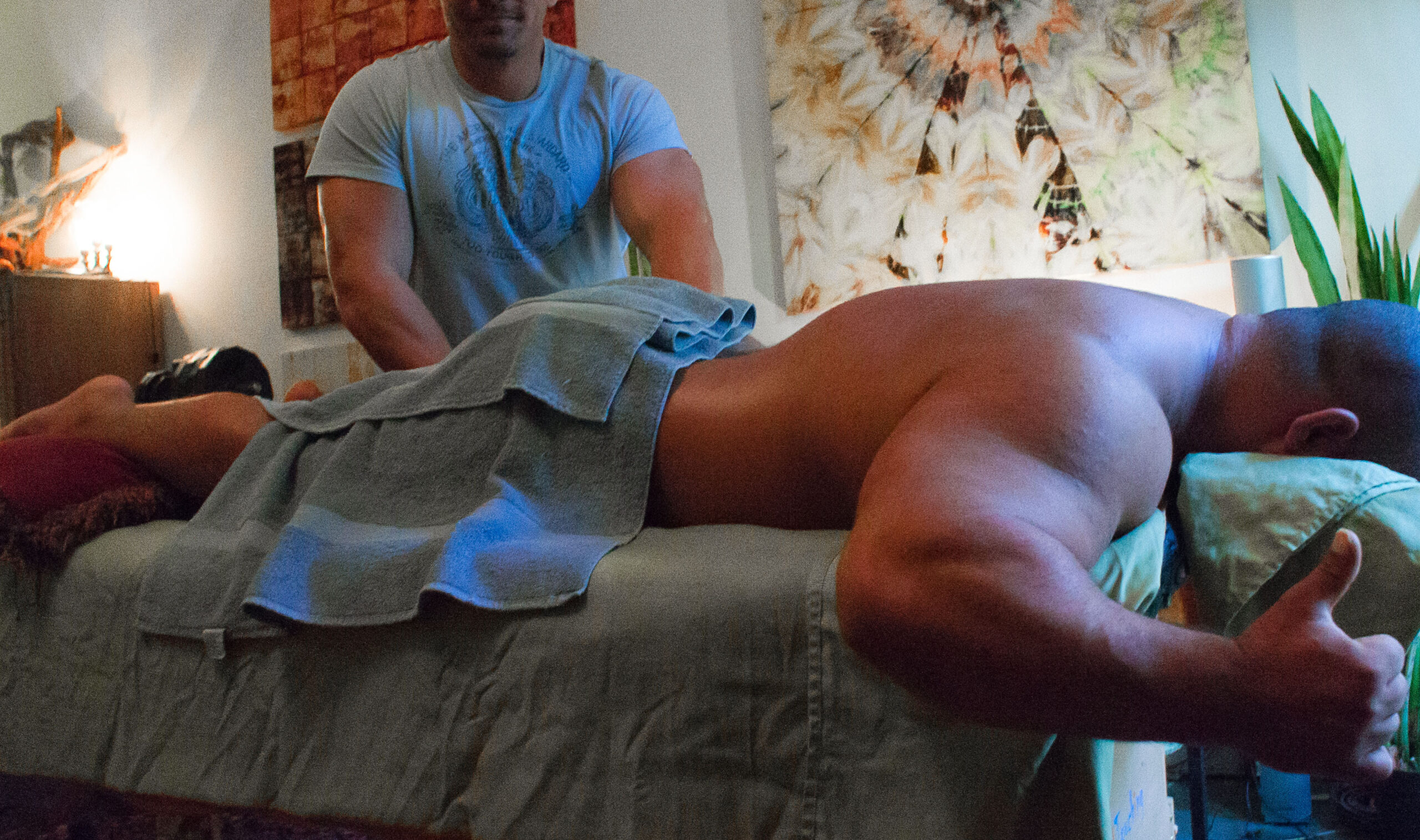
Sports massage therapy is increasingly recognised as an essential part of health, wellness, and athletic performance. Practitioners combine deep tissue massage techniques with an understanding of common soft tissue issues, including muscle tension, aches and pains, sports injuries, and rehabilitation. This blend of hands-on skill and anatomical knowledge makes sports massage therapists valuable to both athletes and the general public.
The demand for qualified, professional therapists continues to grow, offering opportunities for flexible careers, whether working full-time with sports teams or part-time providing treatments to clients seeking recovery, injury prevention, or relaxation.
A successful sports massage therapist needs a strong foundation in several key areas:
Anatomy and Physiology – Understanding the human body, how muscles and joints interact, and how physical activity impacts the body is crucial.
Massage Techniques – Mastery of targeted massage methods helps alleviate pain, prevent injury, and support recovery.
Client Consultation and Assessment – Effective therapists assess clients’ needs carefully, plan treatments, and adjust techniques for the best outcomes.
Many practitioners find that this field not only offers a rewarding career helping people improve mobility, manage injuries, and enhance performance, but also provides flexibility and work-life balance. Whether supporting professional athletes, weekend sports enthusiasts, or the wider public, sports massage therapy combines technical expertise with meaningful, client-focused work.
With growing awareness of wellness, rehabilitation, and recovery, a career in sports massage provides a stable and fulfilling pathway for anyone interested in health, fitness, and hands-on therapeutic practice.